Why Women Need Muscle as They Age: Strength, Bone Health and Longevity
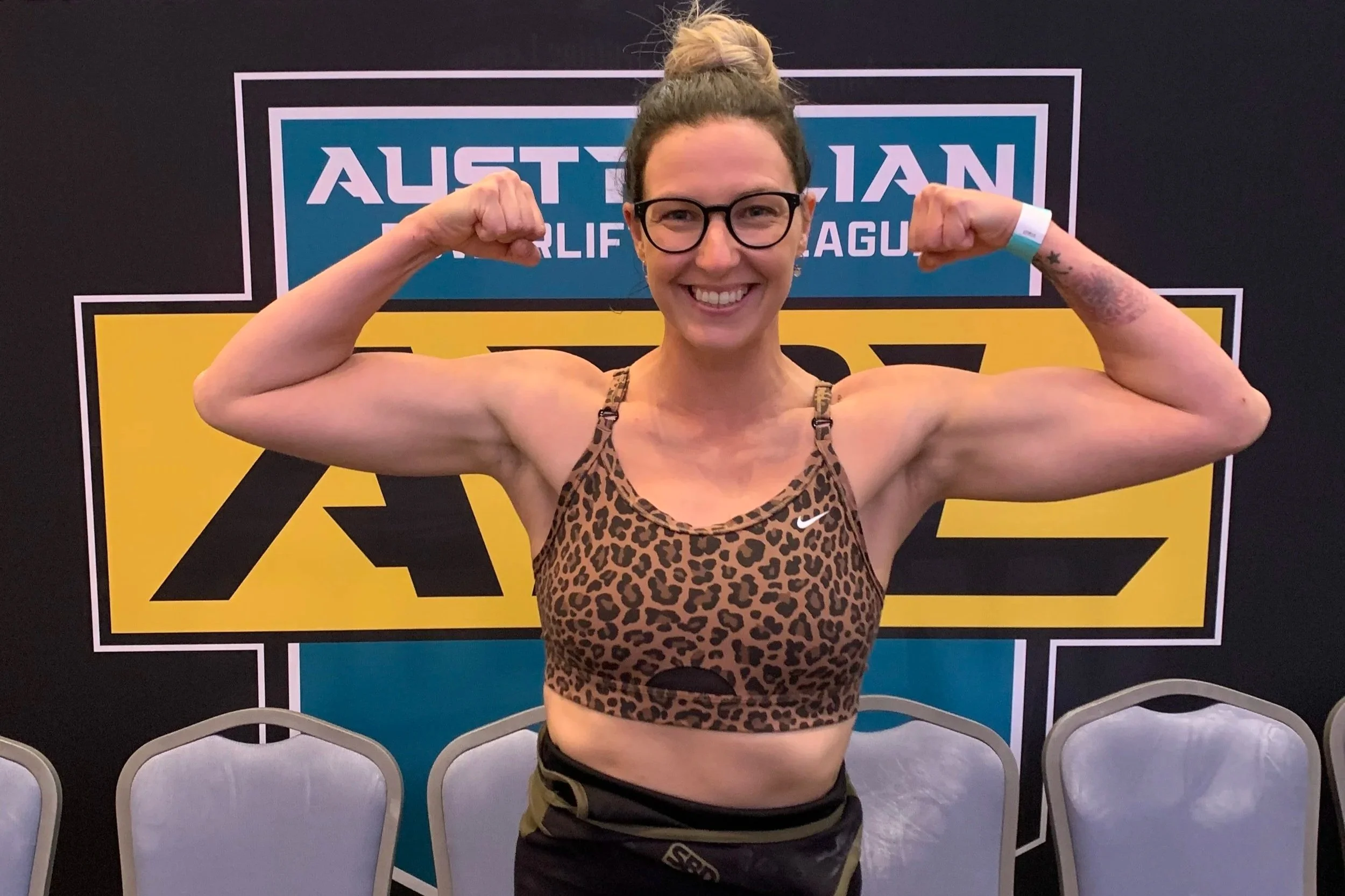
For a long time, women's fitness has been heavily focused on getting smaller. Smaller waist, smaller thighs, lower body fat and a lower number on the scales have often been presented as the ultimate markers of success.
But as I approach 40, my priorities have changed. I'm much less interested in making my body smaller and much more interested in making it stronger, more resilient and capable of carrying me well into older age. One of the biggest pieces of that puzzle is muscle.
Muscle Isn't Just About Looking Strong
Muscle is one of the most valuable tissues we can build and maintain as we age. It is obviously important for movement and physical strength, but its role extends well beyond how we look or how much we can lift in the gym. Maintaining muscle is also important for metabolic health, glucose regulation, mobility and physical independence as we get older.
There is another reason I think women need to take strength training seriously, and that is bone health.
Bone health tends to become increasingly relevant as we age, particularly as women move through perimenopause and menopause and experience significant hormonal changes. A diagnosis of osteopenia can understandably be concerning, but I don't think it should be viewed as a reason to become fearful of movement. If anything, it can be a reason to become more interested in building and maintaining the foundations of strong bones.
That means looking at the whole picture, rather than focusing on one nutrient, one supplement or one number on a scan.
Your Bones Need More Than Calcium
When women think about bone health, the conversation often jumps straight to calcium. Calcium is certainly important, but bone is living tissue, and maintaining healthy bones involves considerably more than one mineral.
Resistance and weight-bearing exercise, adequate nutrition, protein, vitamin D, calcium status, hormonal health, body weight and a range of other lifestyle factors all contribute to the broader picture of bone health.
This is one of the reasons I love strength training. When you progressively challenge your body, you're not simply building muscle. You're giving your musculoskeletal system a reason to adapt and remain strong.
As we get older, this becomes increasingly important. Longevity isn't simply about extending the number of years we live. It is also about maintaining the physical capacity to enjoy those years.
Why I'm Still Lifting Heavy at 38
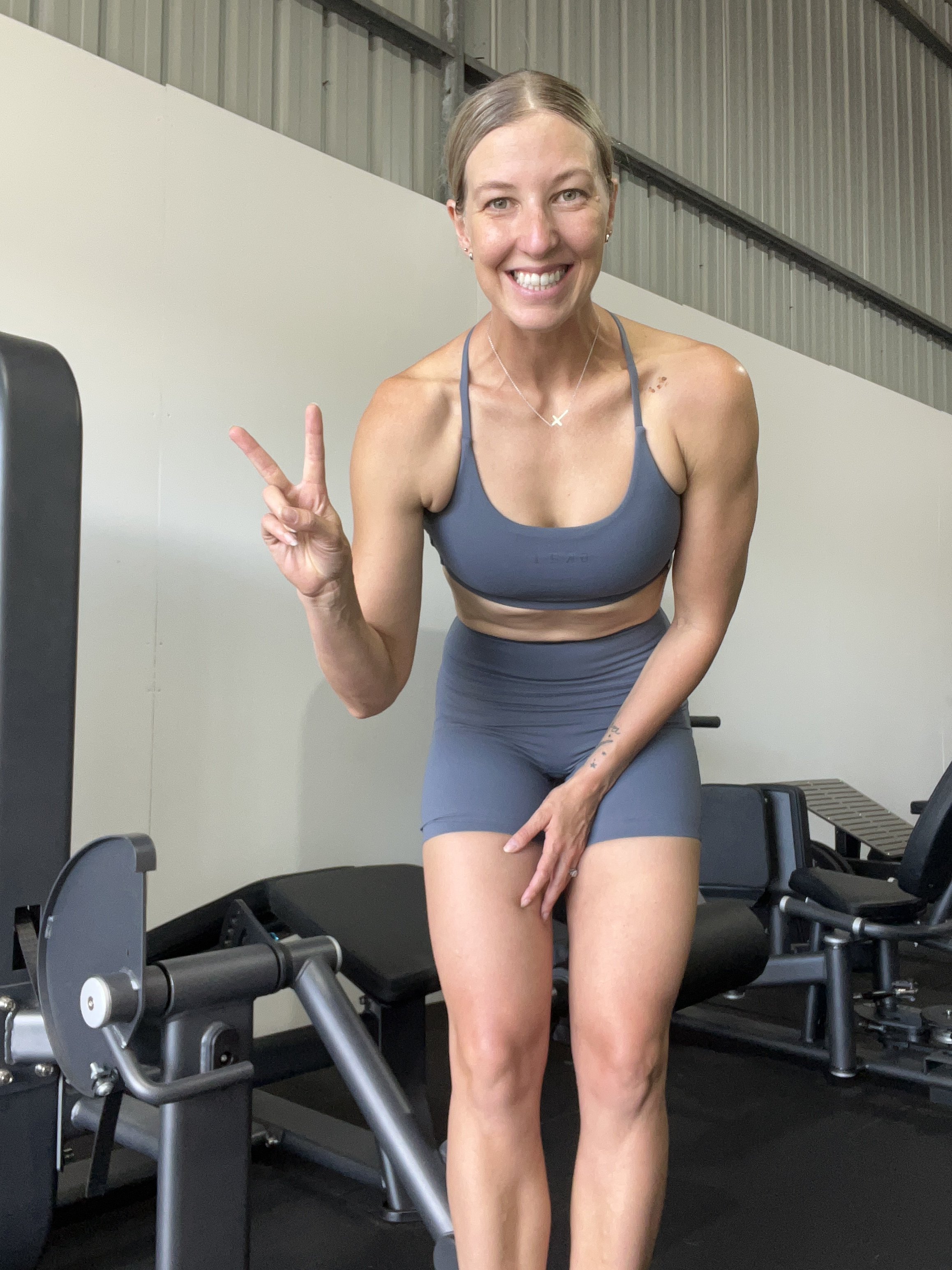
I've been strength training for around 13 years (previous to this was CrossFit for many years), and my reasons for doing it now are different from when I first started.
Of course, I enjoy looking strong, but I'm much more interested in what strength gives me. I want to be able to pick things up, carry things, move well, have strong bones, maintain muscle and continue doing the activities I enjoy. I want to remain physically capable for as long as possible.
I don't want my 40s, 50s, 60s and beyond to be about progressively doing less because my body can no longer keep up. I want to build a body that can continue participating in my life.
That changes the way I think about exercise. Training isn't simply something I do to burn calories or change my appearance. It is an investment in the body I want to have decades from now.
And Then There Are Hormones
Women's bone health becomes particularly interesting when we look at hormonal changes. Oestrogen has an important role in bone metabolism, and the decline in oestrogen that occurs around menopause is associated with increased bone loss.
This is one of the reasons I don't think women's health can be separated into neat little categories. You can't talk about ageing well without talking about muscle. You can't talk about bone health without considering nutrition and movement. And you can't talk about a woman's changing body without considering her hormonal environment.
The woman is the context.
This is also why I am interested in looking beyond individual symptoms or isolated test results. A woman's hormonal health exists within the context of her sleep, stress, nutrition, training, emotional wellbeing and stage of life.
Where Nutrition Comes In
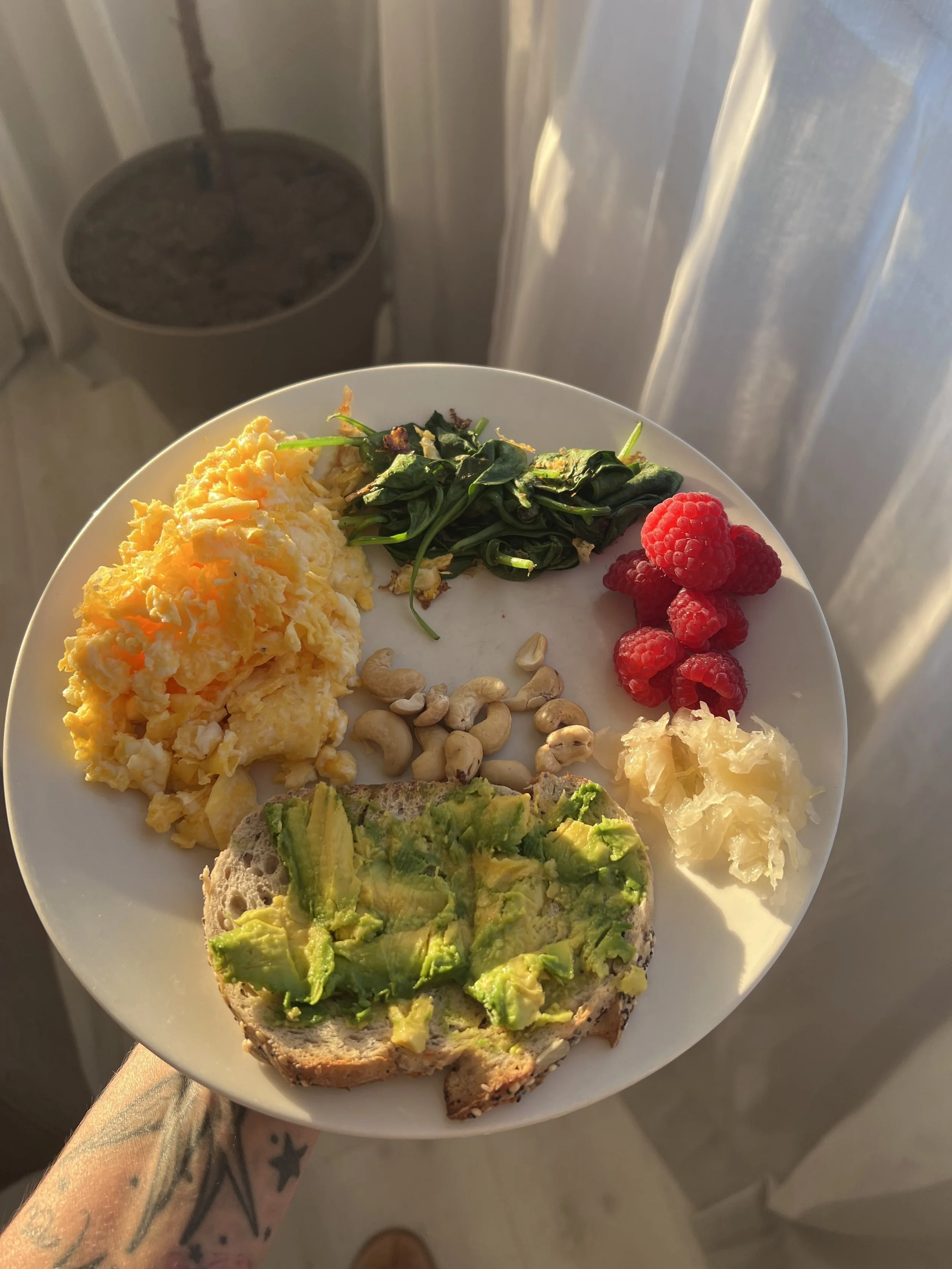
If you're trying to build and maintain muscle, you need to give your body the raw materials to do it. For me, this means paying attention to adequate protein, nutrient-dense whole foods, sufficient energy intake, calcium-rich foods, vitamin D, a broad range of micronutrients, hydration and enough food to actually recover from training.
This is also an area where I think women can get themselves into trouble. There is an enormous emphasis on eating less, particularly as women get older, but constantly dieting, under-eating and trying to become smaller isn't necessarily the best strategy for a woman who wants to become stronger and age well.
If we want to build and maintain muscle, we need to provide the body with enough energy and nutrients to support that process. I would much rather see a woman eating enough protein, lifting consistently and recovering properly than spending her life trying to train her way out of eating.
So Where Do Tissue Salts Come In?
This is where my interest in homeopathy and natural health enters the conversation.
Tissue salts, sometimes referred to as Schüssler salts or cell salts, are a fascinating area of traditional homeopathic practice. The system includes a number of mineral salts, including Calcarea fluorica, Calcarea phosphorica and Silicea, which have traditionally been associated with different aspects of the body's tissues and structure.
Calcarea phosphorica, for example, has traditionally been associated with bone development and nutrition. Calcarea fluorica has traditionally been associated with elasticity and connective tissues, while Silicea has traditionally been associated with connective tissue, structural integrity, skin, hair, nails and the body's framework.
It is important, however, not to assume that all mineral products are doing the same thing. A tissue salt is not simply the equivalent of taking a conventional calcium, phosphate or silica supplement. The preparations and potencies used within homeopathic practice are different, and tissue salts sit within a particular therapeutic framework.
This distinction is particularly important when discussing something like bone health.
Can Homeopathy Help With Osteopenia?
Osteopenia is another area where I believe it is important to look beyond the diagnosis itself.
In my clinical practice, I have seen women with osteopenia respond positively to an individualised homeopathic approach, including cases where changes in bone-related markers and overall health have been observed over time. I have also seen tissue salts form a useful part of this approach, particularly when there are clear structural or constitutional indications for them.
This does not mean that every woman with osteopenia needs the same remedy. Homeopathy isn't about prescribing Calcarea phosphorica simply because someone has reduced bone density. The individual prescription comes from the totality of the case, the woman's physical symptoms, hormonal health, emotional state, energy, sleep, constitution, history and the particular way her symptoms present.
This is where the homeopathic approach becomes very different from simply treating a diagnosis.
I want to understand what is happening in the woman who has osteopenia. What has changed in her health? What was happening before her bone density began to decline? How are her hormones changing? How does she respond to stress? How is she sleeping? What is her digestion and nutrition like? What other symptoms are present? What does her broader health picture look like?
Tissue salts can also have a place within this approach. Calcarea phosphorica, Calcarea fluorica and Silicea have traditionally been associated with bone, connective tissue and structural integrity, and may be considered when they fit the individual case. In some women, a tissue salt combination may be appropriate; in others, the deeper constitutional picture may point towards a different homeopathic prescription altogether.
I don't see homeopathy as simply putting a remedy over the top of an osteopenia diagnosis. I see it as an opportunity to investigate the woman behind the diagnosis and support her health as a whole.
Of course, reduced bone density still deserves appropriate assessment and monitoring. DEXA scans, nutritional adequacy, resistance and weight-bearing exercise, vitamin D, calcium sufficiency, hormonal health and other relevant medical considerations all have an important place in protecting bone health. Homeopathy does not mean ignoring these things. In my view, the most thoughtful approach is to consider all of them together.
Homeopathy Isn't a Replacement for the Foundations
This is an important part of how I work. And I have seen incredible life changing things.
I am not interested in giving a woman a remedy and ignoring the rest of her health. If we're talking about bone health, I want to understand her nutrition, protein intake, strength training, movement, hormonal health, sleep and recovery. If we're talking about energy, I want to understand what she is eating, how she is sleeping and what demands she is placing on herself. If we're talking about hormones, I want to look at the broader picture rather than reducing everything to a single blood result.
The foundations matter. Food matters. Protein matters. Muscle matters. Resistance training matters. Sleep matters. Stress matters. Hormonal health matters.
And homeopathy can sit alongside those foundations as part of a much broader approach to the individual woman.
That is what I mean when I talk about whole-woman health. I am not interested in treating a diagnosis in isolation. I want to understand the woman, identify the patterns that may be contributing to her current state, and use the tools available to me, including homeopathy and tissue salts, in a way that is individualised to her.
The Goal Isn't to Stop Ageing
I don't want to sell women the idea that ageing is something we need to fight. We are going to age. The more interesting question is how we want to age.
Do we want to maintain strength and mobility? Do we want to maintain muscle and support our bone health? Do we want to remain independent and capable of doing the things we enjoy? Do we want to feel physically confident in our bodies as we get older?
If those are the things we value, then we need to start building towards them now.
I'm 38. I'm not training because I want to spend the next decade trying to look 28. I'm training because I want my 48-year-old body to be strong, my 58-year-old body to be capable and my 68-year-old body to still feel like it belongs to me.
To me, that is what longevity really means. It isn't simply about living longer. It's about living longer with strength, capacity, resilience and vitality.
And I think that is a much more worthwhile goal than simply getting smaller.
Ready to look at the bigger picture?
If you're curious about your health and want to explore your individual symptoms, history and goals in more depth, I'd love to work with you.
Interested in delving deeper? Book your initial consultation below.
